4/16/2013

Did We Get the #Muslim_Brotherhood Wrong?


Nope. But it's time to revise our assessments. 


 The deterioration of Egyptian politics has spurred an intense, often vitriolic polarization between Islamists and their rivals that has increasingly spilled over into analytical disputes. Some principled liberalswho once supported the Muslim Brotherhood against the Mubarak regime's repression have recanted. Longtime critics of the Islamists view themselves as vindicated and demand that Americans, including me, apologize for getting the Brotherhood wrong. As one prominent Egyptian blogger recently put it, "are you ready to apologize for at least 5 years of promoting the MB as fluffy Democrats to everyone? ARE YOU?"


So, should we apologize? Did we get the Brotherhood wrong? Not really. The academic consensus about the Brotherhood got most of the big things right about that organization ... at least as it existed prior to the 2011 Egyptian revolution. U.S. analysists and academics correctly identified the major strands in its ideological development and internal factional struggles, its electoral prowess, its conflicts with al Qaeda and hard-line Salafis, and the tension between its democratic ambitions and its illiberal aspirations. And liberals who defended the Brotherhood against the Mubarak regime's torture and repression were unquestionably right to do so -- indeed, I would regard defending the human rights and political participation of a group with which one disagrees as a litmus test for liberalism.
But getting the pre-2011 period right doesn't let us off the hook for what has come since. How one felt about questions of the Brotherhood's ability to be democratic in the past has nothing to do with the urgency of holding it to those commitments today. Giving the group the chance to participate fully in the democratic process does not mean giving it a pass on bad behavior once it is in power -- or letting it off the hook for abuses of pluralism, tolerance, or universal values.  That's why I would like to see Egypt's electoral process continue, and for the Brotherhood to be punished at the ballot box for their manifest failures.
So what did we say about the Brotherhood, and what did they get wrong or right? I wouldn't presume to speak for a diverse academic community that disagrees about many important things, but some broad themes do emerge from a decade of literature. For one, most academics viewed the Brotherhood of the 2000s as a democratic actor but not a liberal one. That's an important distinction. By the late 2000s, the Brotherhood had a nearly two-decade track record of participation in national, professional, and student elections. It had developed an elaborate ideological justification for not just the acceptability but the necessity of democratic procedure. When it lost elections, such as in the professional associations, it peacefully surrendered power (and, ironically given current debates, it was willing to boycott when it saw the rules stacked against it). By 2007, it seemed to me that there was nothing more the Brotherhood could have done to demonstrate its commitment to democratic procedures in the absence of the actual opportunity to win elections and govern. I think that was right.
And of course it had developed a well-honed electoral machine ready for use whenever the opportunity presented itself.  Nobody in the academic community doubted that the Brotherhood would do well in the first wave of elections. Academics also pegged public support for the Brotherhood at about 20 percent, not far off the 25 percent Mohammed Morsy managed in the first round of the presidential election. They correctly identified the organizational advantages the Brotherhood would have in early elections, which would allow them to significantly overperform that baseline of support against new, less-organized opponents.
The Brotherhood's commitment to democratic procedures never really translated into a commitment to democratic or liberal norms, however. It always struggled with the obvious tension between its commitment to sharia (Islamic law) and its participation in democratic elections. Not being able to win allowed the Brothers to avoid confronting this yawning gap, even if they frequently found themselves enmeshed in public controversies over their true intentions -- for instance, with the release of a draft political party platform in 2007 that hinted at the creation of a state committee to review legislation for compliance with sharia and a rejection of a female or non-Muslim president.  As for liberalism, nobody ever doubted the obvious point that this was an Islamist movement with deeply socially conservative values and priorities. The real question was over their willingness to tolerate different points of view -- and there, deep skepticism remained the rule across the academic community.

How the #Muslim_Brotherhood Hijacked #Syria Revolution


No one in Syria expected the anti-regime uprising to last this long or be this deadly, but after around 70,000 dead, 1 million refugees, and two years of unrest, there is still no end in sight. While President Bashar al-Assad's brutal response is mostly to blame, the opposition's chronic failure to form a viable front against the regime has also allowed the conflict to drag on. And there's one anti-Assad group that is largely responsible for this dismal state of affairs: Syria's Muslim Brotherhood.


Throughout the Syrian uprising, I have had discussions with opposition figures, activists, and foreign diplomats about how the Brotherhood has built influence within the emerging opposition forces. It has been a dizzying rise for the Islamist movement. It was massacred out of existence in the 1980s after the Baathist regime put down a Brotherhood-led uprising in Hama. Since then, membership in the Brotherhood has been an offense punishable by death in Syria, and the group saw its presence on the ground wither to almost nothing. But since the uprising erupted on March 15, 2011, the Brotherhood has moved adroitly to seize the reins of power of the opposition's political and military factions.
According to a figure present at the first conference to organize Syria's political opposition, held in Antalya, Turkey, in May 2011, the Brotherhood was initially hesitant to join an anti-Assad political body. The group had officially suspended its opposition to the Baathist regime in the wake of the Israeli onslaught on Gaza in 2009, and it pulled out of an alliance with Abdul Halim Khaddam, a former Syrian vice president who defected in 2005.
The Brotherhood nonetheless sent members to participate in the conference, including Molhem Droubi, who became a member of the conference's executive bureau. Meanwhile, it took steps to form fighting groups inside Syria, recruiting potential fighters and calling on its relatively meager contacts on the ground in Homs, Hama, Idlib, and Aleppo.
As the idea of a unified opposition group to lead the popular revolt gained momentum, the Brotherhood became more involved. A month after the meeting in Antalya, it organized a conference in Brussels, attended by 200 people, mostly Islamists -- one of the first obvious fractures in the unity of the opposition. The Brotherhood subsequently organized several conferences that formed opposition groups to serve as fronts for the movement, allowing it to beef up its presence in political bodies.
After the conference in Brussels, at least three groups were formed "to support the Syrian revolution." The organizations continued to hatch, and a few months after the first conference they were present in opposition bodies that later formed the core of the Syrian National Council (SNC), an umbrella group that ostensibly represented all anti-Assad forces. The council set aside seats for both the Brotherhood and members of the Damascus Declaration, a group of Syrian reformists established in 2005 -- but the Brotherhood already had a significant presence within the Damascus Declaration group.

4/14/2013

الإيحاءات الجنسية لنظام #الأخوان

الإيحاءات الجنسية لنظام الأخوان 


PSY Says He Hopes NKoreans Enjoy His New Single

South Korean rapper PSY said on Saturday that he hopes North Koreans will enjoy his new single, even as tensions remain high on the Korean Peninsula.

The follow-up to his international mega-hit, Gangnam Style, was released in the UK yesterday (Friday, April 12). Gangnam Style, which has sold over a million copies in the UK, topped the singles charts in 27 countries, including the our very own Official Singles Chart. The accompanying video has been viewed over 1.5 billion times on YouTube.
You can watch Psy’s new video for Gentleman – complete with new dance routine! – below:


4/13/2013

سقوط الدولة المصرية: غياب قواعد اللعبة السياسية

من ساعة 25 يناير 2011 لم أرى أي فصيل سياسي في مصر يتحدث عن وضع قواد أساسية و واضحة و بسيطة تكون أساس إعادة بناء النظام السياسي في مصر.
 
القواعد دي غير تقديمها، كان لازم يبقى عليها إجماع... تكون مجموعة مبادئ لا يتنازع عليها أي فصيل سياسي: ليبرالي، إسلامي/ديني، يساري، إلخ
من الأمثلة في التاريخ هو إعلان الإستقلال الأمريكي. كان إعلان إستقلال لكنه كان إعلان مبادئ. الإعلان كان لا يزيد على صفحة وحدة.
الوقت بين إعلان الإستقلال لحد وضع الدستور الأمريكي كان 11 سنة!في هذه الأثناء كان إعلان الإستقلال ومبادئه هم قواعد اللعبة السياسية في امريكا.
الليبرالية لايمكنها تقديم أي حلول لولم يكن هناك قواعد واضحة حتى وإن كانت أقل من المستوى لئن اللمنهج الليبرالي يعتمد على البناء و التصحيح.


لكن مصر في السنتين إلي فاتوا و بالذات الفترة الأخيرة تفتقد لأي معالم واضحة و مطبقة تعطي ضمانات و تطمينات لكل الأطراف السياسية.
 
 
و الأسباب معروفة... فالإخوان تغطرسوا و ابعدوا الأخر و شكلوا قواعد اللعبة و غيروها على أهوائهم كما تطورت الأحداث.
 
هم كدة فاكرين انهم على طريق النجاح... لكن اللي مش فهمينه إنه لا يمكنهم تحقيق حتى اهدافهم الضيقة من غير قواعد واضحة مطبقة بحياد على الجميع.
 
و عشان كدة اسلوبهم و منهجهم لن يخلق إلا نظام مهلهل ساقط كالوضع في باكستان.
 
ما يحدث في مصر هو انها ما بقتش دولة قانون... لكنها دولة ساقطة... Failed State... أو على طريقها لذلك.
 

تعرف على الليبرالية في ٣ دقائق: جشع التجار و غلو الأسعار

معنى حرية التبادل و إن أي التبادل طالما حر لازم يكون إيجابي المجموع و ليس صفر المجموع (أي إن كلا من المتبادلين يحسنوا من وضعهم وليس واحد فقط على حساب الأخر). حلقة إليوم بوضح فيها الأسباب العديدة غير جشع التجار و المنتجين اللي تؤدي إلى غلو الأسعار. الإعتقاد إن الجشع هو السبب الأوحد أو الأساسي لغلو الأسعار فكرة مغلوطة بل هي خطر عل الإقتصاد


الحشيش بكام

موقع مخصص لتقديم أحدث أسعار الحشيش وأماكن البيع يوميا».. هكذا يعرف القائمون

 على الموقع الإلكتروني،


«الحشيش بكام؟» موقعهم، حيث إن الهدف من إنشاء الموقع أن يقدم متابعة لأسعار

الحشيش من خلال التواصل عبر موقعي

«فيس بوك» و«تويتر»،

 حيث وصل عدد المعجبين بصفحته على «فيس بوك» إلى 1364 شخصا،

 ومتابعوه على «تويتر»

وصلوا إلى 401 متابع
الغريب ان وزارو الاتصالات الى كانت عايز تحجب المواقع الجنسية سايبة الموقع دة وغيرة من المواقع المشبوة والى من السهل تتباعة ومعرفة المسئول عن الموقع و القبض علية, ولحد علمى ان الحشيش غير قانوانى فى مصر يعنى احنا مش فى هولاند لسة 

4/12/2013

Sleeping with the Enemy

What happened between the Neanderthals and us?


The Max Planck Institute for Evolutionary Anthropology, in Leipzig, is a large, mostly glass building shaped a bit like a banana. The institute sits at the southern edge of the city, in a neighborhood that still very much bears the stamp of its East German past. If you walk down the street in one direction, you come to a block of Soviet-style apartment buildings; in the other, to a huge hall with a golden steeple, which used to be known as the Soviet Pavilion. (The pavilion is now empty.) In the lobby of the institute there’s a cafeteria and an exhibit on great apes. A TV in the cafeteria plays a live feed of the orangutans at the Leipzig Zoo.
Svante Pääbo heads the institute’s department of evolutionary genetics. He is tall and lanky, with a long face, a narrow chin, and bushy eyebrows, which he often raises to emphasize some sort of irony. Pääbo’s office is dominated by a life-size model of a Neanderthal skeleton, propped up so that its feet dangle over the floor, and by a larger-than-life-size portrait that his graduate students presented to him on his fiftieth birthday. Each of the students painted a piece of the portrait, the over-all effect of which is a surprisingly good likeness of Pääbo, but in mismatched colors that make it look as if he had a skin disease.
At any given moment, Pääbo has at least half a dozen research efforts in progress. When I visited him in May, he had one team analyzing DNA that had been obtained from a forty- or fifty-thousand-year-old finger bone found in Siberia, and another trying to extract DNA from a cache of equally ancient bones from China. A third team was slicing open the brains of mice that had been genetically engineered to produce a human protein.
In Pääbo’s mind, at least, these research efforts all hang together. They are attempts to solve a single problem in evolutionary genetics, which might, rather dizzyingly, be posed as: What made us the sort of animal that could create a transgenic mouse?
The question of what defines the human has, of course, been kicking around since Socrates, and probably a lot longer. If it has yet to be satisfactorily resolved, then this, Pääbo suspects, is because it has never been properly framed. “The challenge is to address the questions that are answerable,” he told me.
Pääbo’s most ambitious project to date, which he has assembled an international consortium to assist him with, is an attempt to sequence the entire genome of the Neanderthal. The project is about halfway complete and has already yielded some unsettling results, including the news, announced by Pääbo last year, that modern humans, before doing in the Neanderthals, must have interbred with them.
Once the Neanderthal genome is complete, scientists will be able to lay it gene by gene—indeed, base by base—against the human, and see where they diverge. At that point, Pääbo believes, an answer to the age-old question will finally be at hand. Neanderthals were very closely related to modern humans—so closely that we shared our prehistoric beds with them—and yet clearly they were not humans. Somewhere among the genetic disparities must lie the mutation or, more probably, mutations that define us. Pääbo already has a team scanning the two genomes, drawing up lists of likely candidates.
“I want to know what changed in fully modern humans, compared with Neanderthals, that made a difference,” he said. “What made it possible for us to build up these enormous societies, and spread around the globe, and develop the technology that I think no one can doubt is unique to humans. There has to be a genetic basis for that, and it is hiding somewhere in these lists.”
Pääbo, who is now fifty-six, grew up in Stockholm. His mother, a chemist, was an Estonian refugee. For a time, she worked in the laboratory of a biochemist named Sune Bergström, who later won a Nobel Prize. Pääbo was the product of a lab affair between the two, and, although he knew who his father was, he wasn’t supposed to discuss it. Bergström had a wife and another son; Pääbo’s mother, meanwhile, never married. Every Saturday, Bergström would visit Pääbo and take him for a walk in the woods, or somewhere else where he didn’t think he’d be recognized.
“Officially, at home, he worked on Saturday,” Pääbo told me. “It was really crazy. His wife knew. But they never talked about it. She never tried to call him at work on Saturdays.” As a child, Pääbo wasn’t particularly bothered by the whole arrangement; later, he occasionally threatened to knock on Bergström’s door. “I would say, ‘You have to tell your son—your other son—because he will find out sometime,’ ” he recalled. Bergström would promise to do this, but never followed through. (As a result, Bergström’s other son did not learn that Pääbo existed until shortly before Bergström’s death, in 2004.)
From an early age, Pääbo was interested in old things. He discovered that around fallen trees it was sometimes possible to find bits of pottery made by prehistoric Swedes, and he filled his room with potsherds. When he was a teen-ager, his mother took him to visit the Pyramids, and he was entranced. He enrolled at Uppsala University, planning to become an Egyptologist.

Lessons from #Syria


There are two parts to this brilliant article by Beesaan el Shaikh in Al Hayat (Arabic) which I believe is an imperative read for anyone interested in the Arab uprising.
The first part of the article uses the tragedies generated by the revolution as a very compelling argument NOT to support it. The second part, near the end, turns the argument around making a simple but slam-dunk case for the revolution.
I want to use the first part to rephrase a position I expressed in the very beginning of this revolution, days before the first Assad speech and the subsequent violent turn of the uprising: I expressed then my hope that Assad would do the wise thing and grab the opportunity to reform the regime by himself, because that was the only transition that would avoid destroying Syria, or handing it to Islamic extremists.
I was naïve in my hopes, obviously. But I believe that hope is a moral imperative. I knew then, like all those who lived through Lebanon's civil war, that no matter where it happens on this earth, or why, or how legitimate, when an uprising turns into an armed rebellion, there is absolutely no controlling of the damage it can make to the structure of society and its ability to recuperate post conflict (think Iraq, Lebanon, but also Salvador, Tchetchnia, or Sri Lanka more globally).
The unspeakable price of civil violence in terms of social dismantling (even more so than the toll on human life and heritage), is why I still believe that any people who has regime change in progress (i.e Tunisia, Egypt) - or in perspective (i.e Jordan, Morocco, or the Gulf in the coming 5 to 15 years) - must bend itself backwards twice, maybe thrice, before engaging in violent struggle, or violent ‘defense of the achieved revolution’ – as opposed to radically peaceful rebellion or political compromise.
One of the reasons I respect Moaz el Khatib so deeply is his awareness of this fact, and his courage to remain constantly open to compromise with the regime for the sake of ending violence – because he knows that no matter how high the price of such compromise is, it will always be lower than the one of sustained violence.
Don’t get me wrong, just like Beesaan el Sheikh says in her article, I believe that there is no choice BUT to support the Syrian revolution because it is the only legitimate and humanly acceptable path forward. But I certainly hope that idealists learn the lesson and understand that wars are, under all circumstances, unwinnable: because even by winning them, we destroy the basic social infrastructure that makes that victory worth anything.
This might sound obvious to some, but the consequence is less so: only a slower transition, or a stubbornly peaceful uprising can come at a lower cost.
I want to end by drawing a relevance to Tunisia and Egypt: compromise is a high price you might need to pay to avoid the higher price of a torn society. And if compromise is impossible (and it should take a lot before you get to this conclusion), than maintain your struggle peaceful at all cost (i.e no military repression of ‘medieval forces’). The alternative is worse than you can ever imagine or calculate.

4/11/2013

الجنس في مجتمعنا " الشرقي " و نظرة الناس المزدوجة ليه


الجنس في مجتمعنا " الشرقي " و نظرة الناس المزدوجة ليه

الجنس هو أقصى درجة من ممارسة الحب بين الاحباء فيعتبره أغلب الرجال شيئا عظيما

و في نفس الوقت إذا أراد أحدهم إهانة شخص ما وصفه بألفاظ جنسية هو أو أمه أو زوجته و كأن الفعل الجنسي هنا إهانة أو ازدراء لا معنى عظيم للحب

إذا وجد الرجل في شريكته درجة ما من المعرفة الجنسية أو التجاوب الجنسي اعتبرها " شمال " و شك في أخلاقها

و إن وجد فيها جهلا أو عدم تجاوب اعتبرها " باردة " و غير مؤهلة لممارسة الحب معه ..

البنت تربى طول عمرها إن عيب تكلم الولاد أو تختلط بيهم .. الرجال جميعا أشرار و في نفس الوقت نطلب منها مرة واحدة أن تتعرى و تمارس الجنس مع زوجها الذي ربما لم تعرفه بالقدر الكافي و ربما يختلط لديها مفهوم الفضيلة فيخلق لديها مفهوم سلبي عن الجنس و مقاومة لا إرادية حتى مع زوجها


هي لا تعرف هل الجنس عيبا أو حراما أو مصدرا للسعادة

هي لا تعرف هل جسدها مصدر للنشوة أو الازدراء

هذه الازدواجية في مفهوم الرجال عن الجنس تجعل المرأة في حيرة في التعامل مع هذه الغريزة الراقية

Meet our Egyptian Tablet With not So Egyptian Name “INAR” #egypt

Meet our Egyptian Tablet With not So Egyptian Name “INAR


The minister of telecommunication announced today in Cairo the production of the first so-called Egyptian tablet.
The tablet’s name  is “ENAR” and I think that this is not so Egyptian. Its operating system is Android 4. It will be distributed on students in secondary stage and university.

From Arab PC world
This makes me happy as Egyptian to see Katron once is competing electronics giants but seriously Can someone please tell Katron to improve their official website !? It is disgrace.
By the way Katron is from the state owned 1960s companies and what you know about the 1960s !!?? Seriously speaking I am glad that we started to produce tablets
Katron is going to produce in the upcoming 4 years units of “INAR” worth of LE 2 billion according to Ahram Online.
The first 1,000 units will be produced before the end of the year.
The specification of the tablet 

  • Resolution : 720 X 1024 pixel , 9.7 inches
  • OS : Android 4.0
  • Video Camera primary : 2 MP
  • Video Camera secondary : 2 MP
  • Weight : 750 g
  • Memory : 8 to 32 GB storage / 1 GB RAM
  • Connections : WiFi and 3G
By the way when you search for Egyptian tablet , this is what you get. Yes the first Egyptian tablets.


-->


Message from #Anonymouse to #Qatar


#Quotes Bob Marley

Today the Quotations section on Running Wolf’s Rant honors Bob Marley. He died on this day, the 11th of May, in 1981 in Miami, Florida in the United States. Bob Marley was the frontman for Bob Marley and the Wailers from 1963 until 1981. He remains the most widely known and revered performer of reggae music, and is credited with helping spread both Jamaican music and the Rastafari movement to a worldwide audience. Bob Marley was born as Robert Nesta Marley on the 6th of February 1945 in Nine Mile, Saint Ann in Jamaica. Bob Marley fathered a total of 11 children before his death. Bob Marley and the Wailers released 12 studio albums between 1965 and 1980. The first indication that something was amiss with Marley’s health came in May of 1977. While on tour in France, he re-injured a right toe during a soccer game. The injury refused to heal and instead quickly worsened. The entire nail came off and doctors recommended amputation. Citing religious beliefs, a limping Marley refused the surgery and gamely continued on tour. Later that summer, he finally allowed an orthopedic surgeon to perform a skin graft on the toe, and the procedure was deemed “a success.” In September of 1980, a weakened Bob Marley almost fainted on stage while performing in New York. The next day, he collapsed while jogging in Central Park. He was diagnosed with a brain tumor (a result of the untreated cancer in his toe) and given less than a month to live. Despite the grim news, Marley played one final show in Pittsburgh before being flown to Miami. There doctors verified that the singer had cancer in the brain, lung, and stomach. 8 months later, Bob Marley passed away.
Here are some  from Bob Marley:
“Bob Marley isn’t my name. I don’t even know my name yet.”
“Who are you to judge the life I live? I know I’m not perfect – and I don’t live to be – but before you start pointing fingers… make sure you hands are clean!”
“The truth is, everyone is going to hurt you. You just got to find the ones worth suffering for.”
“Some people feel the rain. Others just get wet.”
“The greatness of a man is not in how much wealth he acquires, but in his integrity and his ability to affect those around him positively”
“Life is one big road with lots of signs. So when you riding through the ruts, don’t complicate your mind. Flee from hate, mischief and jealousy. Don’t bury your thoughts, put your vision to reality. Wake Up and Live!”
“When one door is closed, don’t you know that many more are open.”
“The people who were trying to make this world worse are not taking the day off. Why should I?”
“Though the road’s been rocky it sure feels good to me.”
“I don’t stand for black mans side, I don’t stand for white mans side, I stand for God’s side.”
“You can’t find the right roads when the streets are paved.”
“My music will go on forever. Maybe it’s a fool say that, but when me know facts me can say facts. My music will go on forever.”
“The best thing about music is that when it hits you, you feel no pain.”
“You can fool some people some times but you cant fool all the people all the time.”
“Tell the children the truth.”
“My music fights against the system that teaches to live and die.”


How #Gmail Has Evolved Over the Years #gmail


How Gmail Has Evolved Over the Years


Gmail turned 9 this month, and before we know it, it will be heading off to middle school. It's grown up fast. In fact, it knows 57 languages now — the latest one being Cherokee.
Google's email platform has greatly evolved since its inception, with a lot of user feedback taken into account.
"Gmail was inspired by one user’s feedback that she was tired of struggling to find emails buried deep in her inbox," the company said on its official blog. "So we built a new email that leveraged the power of Google Search. You told us you were tired of spam, so we set to tackling that, and today your feedback makes it possible for Gmail to filter out well over 99% of incoming spam."


The company posted on Wednesday an infographic outlining how it's changed in time.
We almost forgot we had to wait a whole two years for GChat. Not to mention you had to be invited to sign up for an account by an existing user for the first three years. And although Gmail got its first Android app in 2009, the site didn't officially leave its beta test phase that same year.
For a full look at how the platform has evolved, check out the infographic below (click to enlarge) and let us know in the comments what you'd like to see from Gmail in the future.


Mashable composite, images via iStockphoto, kemie, and logo courtesy of Google

4/09/2013

Brides Bought, Sold and Resold


With millions more men than women in India,  many wonder about the state of bachelorhood in IndiaOffering.  Jaisalmer.

There have been arguments that this “shortage” of women [as if women are a commercial resource] would force the ‘gender’ ratio to fix itself! But that doesn’t seem to be the case.

The gender ratio keeps plummeting, and you don’t have communities going into panic saying “We need to find a woman for sex and reproduction!!”   Why is this economic/ “women as commodity” theory not working out the way it was assumed it would?


Perhaps because Indian men indeed view women as “commodity!”  And since there is a shortage of “female commodity” the users have found other methods of procuring women! They are now BUYING, SELLING, AND RECYCLING! It is another response to “commodity shortage”, and is essentially the Indian version of DOMESTIC SEX-TRAFFICKING.   This is a practice in India that is as old as female gendercide, and there are reports that it existed even as early as the 1900s.  Only now, with plummeting gender ratios, the practice is out in the open and increasing rapidly.  It is often referred to as ‘BRIDE-TRAFFICKING.’


Much of this sex-trafficking is in the guise of ‘marriage.’   Each family, community and people involved call it a ‘marriage.’  The girl or woman is sold as a ‘bride’ to a man.  She may be married to one man in a family but is used for sex and reproduction by the other men within the same family.  She is then re-sold again as a ‘bride’ to another family.  Some women are sold and resold up to four times, and there are indications that there are thousands of such ‘brides’ being trafficked in the name of ‘marriage.’ Most of these girls are 15 years or younger and often kidnapped and sold into “bride-trafficking”.

Government officials explain their lack of action against this form of sex-trafficking with, “”If they are legally wedded, what can we do.”

However, from many rural areas, families will often sell their daughters to a commercial “agent” for as little as U.K. £15

There is one report of a man beheading his “bought” wife for refusing to sleep with his brothers.

Munni who was forced to have sex with her husbands brothers, has had three sons from them.  It is interesting that all her children are boys, no girls.   It is believed that there may be many more women like Munni in the region. Here is Munni’s story in her wordsBride of India:

“My husband and his parents

said I had to share myself with his brothers…

They took me whenever they wanted – day or night.

When I resisted, they beat me with

anything at hand…Sometimes they threw me

out and made me sleep outside or they poured kerosene over

me and burned me.”


ABOUT THE PHOTOGRAPHERS: Claire Pismont and Delphines are members of The 50 Million Missing Campaign’s Photographers Group on Flickr.   supported by more than 2400 photographers from around the world.   To see more of each of their works, please click on the pictures.


how horrible !!!!! Proud Muslims raping Coptic Christians in #Egypt in the daytime

how horrible !!!!! Proud Muslims raping Coptic Christians in in the daytime


Proud Muslims raping Coptic Christians in Egypt in the daytime from semo on Vimeo.

4/08/2013

شفت تحرش I saw #harassment #egypt #Sexual_violence

4/05/2013

Hold


Hold, hold me for a while
I know this won't last forever
So hold, hold me tonight
Before the morning takes you away
Hold, hold me for a while
I know this won't last forever
So hold, hold me tonight
Before the morning takes you away
Hold, hold me for a while
I know this won't last forever
So hold, hold me tonight
Before the morning takes you away
What's that sparkle in your eyes?
Is it tears that I see?
Oh tomorrow you are gone
So tomorrow I'm alone
Short moments of time
We have left to share our love
Hold, hold me for a while
I know this won't last forever
So hold, hold me tonight
Before the morning takes you away
We're in each others arms
Soon we're miles apart
Can you imagine how I'll miss,
Your touch and your kiss?
Short moments of time
We have left to share our love
Hold, hold me for a while
I know this won't last forever
So hold, hold me tonight
Before the morning takes you away
Hold, hold me now,
From dusk all night to dawn
Save, save me now,
A short moment of time
Hold, hold me for a while
I know this won't last forever
So hold, hold me tonight
Before the morning takes you away
Takes you away

4/04/2013

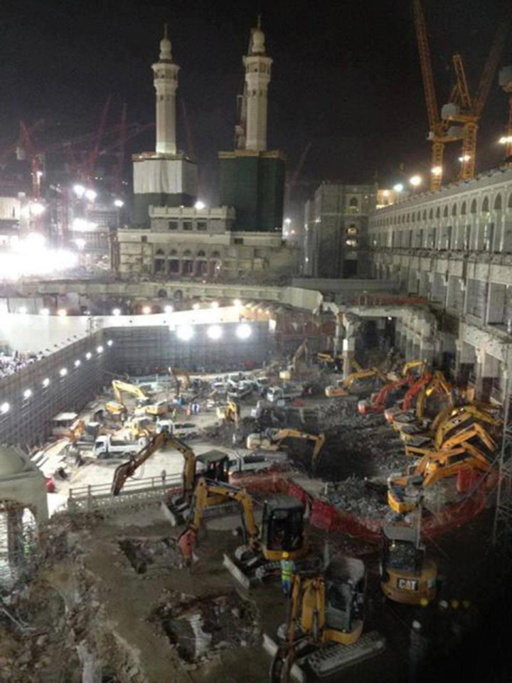
الصور التي لا تريد السعودية للعالم رؤيتها.. تقرير حول هدم #السعودية أقدس الآثار الإسلامية في مكة

تحت عنوان "الصور التي لا تريد السعودية للعالم رؤيتها وأدلة على هدم أقدس الآثار الاسلامية في مكة"، نشرت صحيفة "الاندبندنت" البريطانية تحقيقاً أرفقته بثلاث صور قالت فيه "بدأت السلطات السعودية بهدم بعض أقدم الاقسام في اكثر مساجد الاسلام اهمية، وذلك في إطار عملية توسيع للكعبة مثيرة للجدل تقدر كلفتها بمليارات الدولارات." وحصلت الصحيفة على صور يظهر فيها عمال ومعهم حفارات آلية وقد بدأوا بهدم بعض أجزاء من آثار تعود للدولتين العثمانية والعباسية في الجانب الشرقي من المسجد الحرام في مكة المكرمة. واشارت الصحيفة الى أن المبنى الذي يعرف ايضا باسم المسجد الكبير، هو أهم المواقع المقدسة في الاسلام لضمه الكعبة، القبلة التي يتوجه اليها جميع المسلمين في صلاتهم. والأعمدة هي آخر ما تبقى من أقسام المسجد التي تعود الى مئات السنين ، وتشكل المحيط الداخلي على مشارف الارض الرخامية البيضاء المحيطة بالكعبة. وحسب الصحيفة، أثارت الصور التي التقطت على مدى الأسابيع القليلة الماضية رعب علماء الآثار، كما تزامن نشرها مع زيارة ولي العهد البريطاني الأمير تشارلز الحريص على الحفاظ على التراث المعماري، إلى المملكة العربية السعودية ترافقه زوجته كاميلا دوقة كورنوول. واثار توقيت زيارة الامير البريطاني تنديدا من قبل نشطاء حقوق الإنسان السعوديين بعد اعدام السلطات السعودية 7 اشخاص في وقت سابق من هذا الاسبوع رغم حقيقة أن بعضهم كانوا أحداثا عند ارتكابهم الجرائم المدانين فيها. وقد حفرت العديد من الأعمدة العثمانية والعباسية في مكة المكرمة بالخط العربي وحملت أسماء صحابة النبي محمد ومؤرخة لحظات مهمة في حياة نبي الإسلام. ويؤرخ احد الاعمدة التي يعتقد أنه هدم بالكامل، لمعراج النبي محمد (ص) الى السماء في ليلة القدر، حسبما نقله موقع "بي بي سي".

##Cartoon – Saudi Arabia may block messaging apps – @Skype @Viber @WhatsApp


4/03/2013

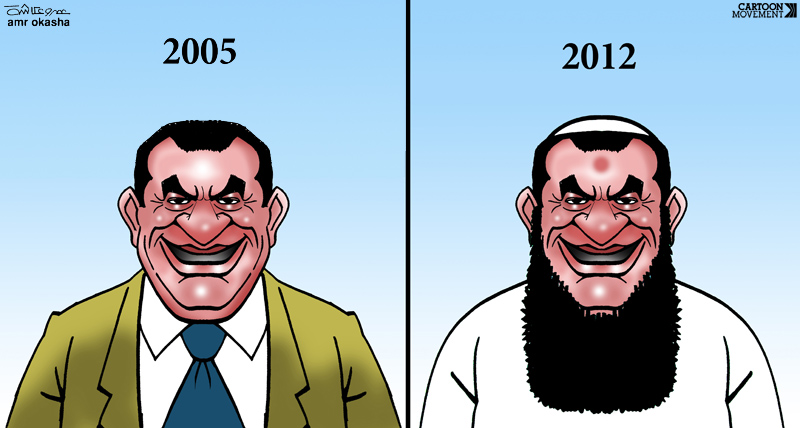
Change in Egypt #egypt #Morsi #Ikhwan #cartoon

Mubarak and Marsa same dirty face

And here are the bad Iranians who are spreading Shiism in #Egypt #iran !!!

And here is an Iranian woman from the first Iranian tourist group in Egypt spreading Shiism in Luxor by Al Masry Al Youm camera !! 


4/02/2013

ما بين الفخذين.. sexual_Harassment# #Sexual_violence


كلام بنت مقهورة  من المعرصين الباردين الى اسمهم رجالة وهما اقل كتير من معنى الكلامة 

الآتي هو في الحقيقة كلام قبيح و عيب وخادش للحياء.. قد   يكون محظور لبعض منكم.. ولذلك.. إذا قررت أن تقرأ ..إقرأ على مسؤليتك..
العاشرة صباحاً.. يوم الجمعة..
كم هي جميلة شوارع القاهرة في الشتاء.. في الصباح.. الناس نياماً.. معظم المحلات مغلقة.. العصافير تتحرك بحرية أكبر.. فليس هناك من ينافسها في المساحات..
فستاني زهري اللون طويل وفضفاض.. وملفوف على خصري حزامه الأبيض الرقيق.. وحذائي بسيط متواضع لا يحب أن يعلو عن الأرض بأكثر من عدة سنتيمترات.. وإيشاربي أبيض بياض اللبن..
انحنيت لأزيح قشرة الموز التي تركها أحدهم على الأرض خوفاً من أن تؤذي أحدا.. ضربني أحدهم على مؤخرتي.. لم أفهم.. شعرت بالإهانة والإحراج.. فوراً استقمت وتفحصت الأشخاص حولي في ذعر.. رأيته على عجلته يضحك ويشاور بيده وقال بصوت عال  "لا تمام..تمام .. جامدة بصراحة"..  ورحل..
رأيت عدة أشخاص ينظرون إلى ما حدث ببرود.. بسلبية.. نظرت إلى كل منهم في عينيه.. هناك من كان يكتم ضحكته وهناك من استدار بنظره عني..
عدت فوراً إلى المنزل أشعر بالإشمئزاز من نفسي..أكتم دمعاتي.. أشعر بالضعف.. اشعر أنني مهانة.. مُستخدمة.. نظرت إلى ملابسي في المرآه.. لم يكن هناك شيئاً مستفز.. لم يكن هناك شيئاً مثير..
انتظرت أبي ليستيقظ لأروي له ما حدث.. وقد كان..
رد علي: "أيه منزلك لوحدك الجمعة الصبح؟ والشوارع بتبقى فاضية؟ ما هو لو كان معاكي راجل لما جرؤ على ده..كام مرة أقول مافيش نزول لوحدك! استحملي بقى وما تشتكيش.. خليهم يقفشوا فيكي.. شكلك بقيتي بتتبسطي بده!"
آلمني رد والدي أكثر من الحدث نفسه.. شعرت بأنه أجرم في حقي أكثر من هذا الشاب الذي ضربني.. شعرت وكأن كلاهما  وجهين لعملة واحدة.. الذكورية.. هل أحتاج رجل كلما وطأت قدمي الشارع فعلاً؟ حسناً..!
يوم الأحد.. خرجت من محطة المترو وترجلت المسافة الباقية لمقر العمل..  وقف هناك رجل عربة "الفول" يبسبس لي وكأنني قطته المنزلية..  آثرت ألا أنظر إليه علّه يتوقف.. لم يتوقف.. وبدأ في الغناء "ياما نفسي أركب الحنطور واتحنطر.. اتحنطر آه"
بدأت الدماء تجري في عروقي..  تغلي.. هذا الحيوان يقصدني.. يقصد إهانتي.. نظرت إليه نظرات غاضبة.. مليئة بالشرارة.. ولكني لم أجد في وجهه حياء.. فقط هذه الإبتسامة المتسعة الحمقاء.. وكأنه كان سعيد برؤيتي مغتاظة.. تذكرت كلمات أبي.. أنه ليس يوم الجمعة.. والشارع ليس خال بل مكتظ جداً.. أنا لست وحدي بل محاطة بالعشرات من أصحاب الشنبات.. وملابسي جيدة وواسعة ولكن لم يمنعه ذلك من مضايقتي..
استرسل رجل الفول وقال: ياما نفسي امسكهم! آه يانا.. يا رب اوعدنا.."
لم أتمالك أعصابي.. توجهت إليه فوراً وقلت له " انت بتكلم مين أنا عايزة أفهم"؟
اتسعت عيناه من الذهول وقال: "هو انا جيت جنبك.. ايه تلقيح الجتت ده على الصبح!"
قلت: "انت هتستهبل أومال مين اللي منزلش عينه من علي وعمال يغني ويقول كلام قذر"
قال: وانتي بتاخديه على نفسك ليه! شكلك عايزة كده بقى.. بقولك ايه.. اصطبحي وقولي يا صبح!
كان الرجال حوله جميعهم في صفه.. و اثنين أو ثلاثة ربما قاموا بدور "المطيباتية"! خلاص يا آنسة.. ماتبهدليش نفسك..
رحلت عنه وأنا أشعر بالحماقة أنني أهنت نفسي مرة ثاني.. كنت أشعر بالغضب منهم جميعاً.. رجل العجلة.. أبي.. رجل الفول.. وكل الرجال الذين شهدوا هذه المواقف ولم يتحرك لهم ساكن!
مر يوم العمل على بصعوبة وأنا أفكر ماذا سأفعل.. كيف أثأر لنفسي.. وقررت..
في الصباح الباكر.. حضرت نفسي.. ارتديت بنطلوناً وغطيت نفسي جيداً استعداداً لما قد يحدث.. أخذت معداتي وانطلقت..
في نفس الطريق.. نفس الميعاد.. كان نفس الرجل.. يبسبس مرة أخرى.. فنظرت إليه وابتسمت .. فصفق بكلتا يديه قال :ايوه بقى هو ده الكلام "
فرفعت حاجبي.. واتخذت ركنا قريباً منه وجلست وأنا مسمرة نظري عليه..
استغرب هو.. أمطرني بوابل من التعليقات القذرة والسخيفة.. وأنا لا أتحرك.. أضحك وأراقبه بتفحص.. أخرجت تليفوني المحمول.. وبدأت تصويره بالفيديو..  وركزت نظري على جزئه السفلي المستتر تحت بنطلونه.... كان الجميع ينظر إلى باستغراب أيضاً.. معظمهم لاحظ على ماذا أنظر..عايزة ولا ايه"
بدأ يتوافد علي الرجال.. من يهمس في أذني ويقول لي .. شكلك بنت ناس عيب اللي بتعمليه ده.. يا انسه انتي هتنزلي لمستوى راجل بتاع فول بردو.. يا عيني عالاخلاق ده مافيش حياء خالص يا جدع! فين بنات زمان!
تعددت التعليقات.. لم يسألني أحدهم ماذا أفعل أو لماذا أفعل ذلك.. كل كان يرمي تعليقه ويرحل.. لم يقل له أحد لا يصح أن تفعل ذلك.. دائماً انا الفتاة هي المخطئة..
بالرغم من تعليقاتهم  كنت مصّرة على قراري.. لم أتراجع..
أكملت تصوير .. والرجل يسبني.. ثم شعرت به بدأ يشعر بالإحراج.. ربما الغيظ.. ابتسامتي لم تفارق وجهي.. وهو بدأ يغضب.. بدأ يحرك جسده عكس مكان جلوسي فاستدرت وذهبت لأصوره أيضاً..  ثم لمحت نظرات التحدي على وجهه وكأنه يقول.. ستدفعين الثمن أو من الآخر "أنا هاعرفك آخرك فين".. حاول إحراجي.. فلمس جزيه السفلي وهو يغمز لي محاولاً أن  إستفزازي. كان يتحداني...
برغم الإشمئزاز والقرف لم أتحرك.. كنت أصور ذلك أيضاً..
لكن أرسلت الفيديو فوراً على بريدي الإلكتروني ووضعت الهاتف في حقيبتي..
وعدت إلى مكان جلوسي.. نفس الإبتسامة المستفزة.. مركزة نظري على جزئه السفلي..
قال وقد ترك ما في يده بكل الغضب: "بتعملي ايه با بنت ال*****.. أنت صورتي مين.. امشي من هنا يا روح امك بدل ما امد ايدي عليكي..
قلت له: اعتذر عما قلت أمس.. أنت فعلت بي ما فعلته بك الآن.. حسيت بإيه وأنت متراقب؟ حسيت بإيه وانت مختصر في عضوك الجنسي؟ حسيت إنك محترم؟ كل يوم تسّمعني كلام وتضحك؟ مابتضحكش دلوقتي ليه؟
قال: انا ماجيتش ناحيتها يا جدعان..
قلت: وأنا بردو ماجيتش ناحيتك..
قال: بت انتي بقولك ايه.. توجه إلى وقد هم على ضربي.. بدأ الناس في التوافد علينا.. من يقول بس يا عم في ايه.. هتمد ايدك على بنت..
قلت بشجاعة: تعالى اضربني لو تقدر أنا هاحطك في السجن يا ****..
هم فعلاً على بالضرب.. ضربني على وجهي بمنتهى القوة.. فبدأ الناس في تكبيله.. وجاءت بعض النساء مهرولة عندما سمعوا صراخي..
قلت لهم: الراجل ده ضربني وأنا عايزة أخدوا على القسم.. كنت أعلم جيداً أنني أحتاج تعاطف الناس لآخذ حقي.. وأعلم أن الضرب جريمة يفهمها المجتمع.. أما التحرش لا!
وفعلاً توجهنا إلى القسم.. أتى معي 3 شباب مكبلين الرجل..
هناك أدليت بشهادتي.. وحررت محضر بالضرب.. وقلت فيه أنني عندما صورته وهو يفعل هذه الإشارات القذرة حاول التهجم علي ليأخذ التليفون.. هذ الرجل يتحرش بي كل يوم.. واليوم قررت تصويره..  أخذوا الرجل على الحبس وقد استكان وهدأت ملامحه الآن.. وقد بدت عليه ملامح الفقير المحروم الغلبان على باب الله الذي يبكي ويستغيث من ظلمي له!
و لكن من يسلب حقي في الحرية يستحق أن يُسلب حقه في الحرية أيضاً..
اليوم اشعر أنني حرة..
أشعر أنني قوية..
ضربة اليوم كانت لي عزة.. أما ضربة الأمس كانت لي درساً..
درساً علمني لمن أوجه أصابع الإتهام.. وعلمني أن الحقوق تنتزع ولا تطلب.. فمن يجعل ما بين فخذيه سيده.. سيؤول به الحال عبداً!


** 80% من أحداث القصة حقيقية
_ آلمني أن يُسب أبي من كثير منكم, ولذلك أردت أن أوضح أن شخصية الأب في القصة وهمية.. في الحقيقة أبي رجل مهذب يحظى باحترام الجميع وهو من ساندني لأزج بمن تحرش بي في السجن. فقط كنت أوضح ما تمر به نساءنا وهو ما أكدته رسائلكم لي من خلال شخصية الأب.. فهذه هي الردود التي تسمعها الفتاة حينما تبوح بألمها.
ميرال

Jon Stewart defends Bassem Youssef (Egypt's Jon Stewart); Destroys Pres. Morsi

أنا لا أفهم هذا الرجل .. أنت رئيس مصر.. أعظم أرض وأعظم شعب في التاريخ المدون، شعبك -سيدي الرئيس- اخترع الحضارة، حتى أن اليونانيين القدماء حين ذهبوا إلى مصر ذهلوا وقالوا: ماذا عندكم هنا؟ علم الهندسة والأساطير؟ عندما تفرغون منهما يمكننا استخدامهما، سيدي الرئيس لقد اخترع المصريون اللغة المكتوبة والورق ومعجون الأسنان، حتى إنهم دفنوا مع قططهم الأليفة، كذلك أصبح الكثيرون يقلدون الطريقة المصرية في الرقص، المصريون هم من بنوا الأهرامات.. ربما يجب عليك أن تأتي بأحد هؤلاء كي يجعل جلدك أكثر سمكاً (جلد إخوانجي تخين).. كل مافعله باسم يوسف هو السخرية من قبعتك وعدم قدرتك على الأداء الديمقراطي، ما الذي يقلقك؟ أنت رئيس مصر، ولديك جيش وأسلحة ودبابات وطائرات، ونحن نعلم ذلك لأن مازال لدينا الفواتير، انصت لي جيدا، محاولة إسكات كوميديان لن تؤهلك كي تصبح رئيس مصر، دعني أقول لك شيئا: مالذي يقلقك سيدي الرئيس؟ خوفك من قوة النقد الساخر على هيبتك؟ انظر إلى.. هذا ما أفعله في الـ 15 عام الماضيين، أنا أعرف باسم شخصيا، وهو صديقي وأخي، وإن كان هناك شيئان يحبهما باسم جدا فهما مصر والإسلام

4/01/2013

#Burma : Satellite Images Detail Destruction in Meiktila

Burma: Satellite Images Detail Destruction in Meiktila
 
 
 The Burmese government should thoroughly investigate and hold accountable those who incited and committed deadly violence in Meiktila in central Burma from March 20 to 22, 2013. Decisive government action to combat impunity, end discrimination, and promote tolerance among religious groups is needed to end the tide of attacks against Muslim communities.

An estimated 40 people were killed and 61 wounded in the clashes between Muslims and majority Buddhists in Meiktila in the Mandalay Region. Satellite images analysed by Human Rights Watch show the scale of the destruction: an estimated 828 buildings, the vast majority residences, were totally destroyed and at least 35 other buildings were partially destroyed. Areas with near total destruction were concentrated within three locations in Meiktila measuring more than 24 hectares in total area west and northeast of the city’s main market. The destruction appears similar to satellite imagery of towns affected by sectarian violence in Arakan State in 2012, in which arson attacks left large, clearly defined residential areas in ashes.

“The government should investigate responsibility for the violence in Meiktila and the failure of the police to stop wanton killings and the burning of entire neighborhoods,” said Brad Adams, Asia director. “Burma’s government should have learned the lessons of recent sectarian clashes in Arakan State and moved quickly to bolster the capacity of the police to contain violence and protect lives and property.”


Meiktila (Main Damage Area 1)
442 likely residential buildings destroyed or severely damaged.
Move the slider to compare images from before and after the violence.
handle
Before: Meiktila (Main Damage Area 1)
After: Meiktila (Main Damage Area 1)


Meiktila (Main Damage Area 2)
345 likely residential and commercial buildings destroyed and severely damaged
Move the slider to compare images from before and after the violence.
handle
Before: Meiktila (Main Damage Area 2)
After: Meiktila (Main Damage Area 2)

According to a needs assessment released by the United Nations Office for the Coordination of HumanitarianAffairs (OCHA), over 12,000 people were displaced by the violence in Meiktila and are in shelters around the town.
Since the Meiktila violence, attacks against Muslims have occurred elsewhere in central Burma, including Okpho, Gyobingauk, and Minhla townships of Pegu region. Soldiers reportedly fired warning shots in the air to disperse protesters in Pegu, and an estimated nine townships in Burma are under emergency provisions or curfew, limiting public assembly.
The spread of anti-Islamic sentiment and religious intolerance is a serious challenge to the rights of Muslims in Burma. Some well-known members of the Buddhist monkhood, or Sangha, have given sermons and distributed anti-Muslim tracts and directives that call on Buddhist residents to boycott Muslim businesses and shun contact with Muslim communities.
Burma’s 2008 Constitution contains provisions that ensure religious freedom and states that the government should “assist and protect the religions it recognizes to its utmost.” President Thein Sein’s office on March 28 called for “earnest effort[s] to control and address all forms of violence including instigations that lead to racial and religious tensions in the interest of the people in accord with the Constitution and existing laws.”
Such efforts need to be accompanied by strong measures, including holding those who planned, organized, and carried out the recent violence accountable, irrespective of the person’s position or the community from which they originate. The government should also make it clear that it will not tolerate incitement to violence, especially by clergy or others in positions of authority.
The government should also take urgent steps to ensure that the police respond impartially to violence. During the violence in Arakan State in June and October, police frequently sided with the majority Buddhist community against the minority Rohingya Muslim population. Frequently the police did nothing to stop the violence against Muslims and in many cases joined with Buddhist mobs to attack predominantly Muslim villages.
“Burma’s government and political, religious, and community leaders should demand an end to the hate speech that has fuelled violence and discrimination against communities in Burma’s fragile multicultural society,” Adams said. “Decisive government action according to the rule of law is critically important to deter extremists and anyone else using violence to further economic, religious, and political agendas.”
 

3/28/2013

ساعة حساب حلقة خاصة عن مشكلات #سيناء

who want cut the internet in #egypt

who want cut the internet in #egypt


Internet

Today is another slow day for internet in Egypt. Telecom Egypt announced that once again the Alexandria internet sea cable "SEA-ME-WE-Wa" in the Mediternean was damaged and it will be fixed with no hours. This is the second time it happens in less than one week. The first time was last Friday if you remember.
Now we got Col. Ahmed Ali announcing on his official FB page that the Egyptian Navy forces arrested 3 divers while they were cutting the internet sea cable near El Shataby beach !!!
Col. Ali did not say who those divers suspected "The correct term" of damaging the cable were and why they were doing this.
It is worth to mention that this announcement comes after some telecommunication officials announced that they believed there was something criminal behind the damage in the internet cable. I think they got a hint
Of course you see this post after long time in browsing and attempting to collect links and so on..
Hopefully we will know soon who those three are and know their true story.

Update :

East Alexandria prosecution with those standing behind the damage of internet cables in Alexandria and it turned out to be 3 fishermen who dive to search for old ships Junk